Rosacea Treatment in Patiala
Expert medical treatment by Dr. Yuvika Mittal at SkinEdge Clinic, Patiala. Personalized care using advanced dermatology protocols.
What You Need to Know
Rosacea is a chronic inflammatory skin condition primarily affecting the central face, causing persistent redness, visible blood vessels, flushing episodes, and sometimes acne-like bumps and skin thickening. It typically develops in adults between 30 and 50 years of age and tends to worsen over time if left untreated. Though more commonly diagnosed in fair-skinned individuals, rosacea also affects Indian skin types and can be mistaken for other conditions like acne or allergic reactions.
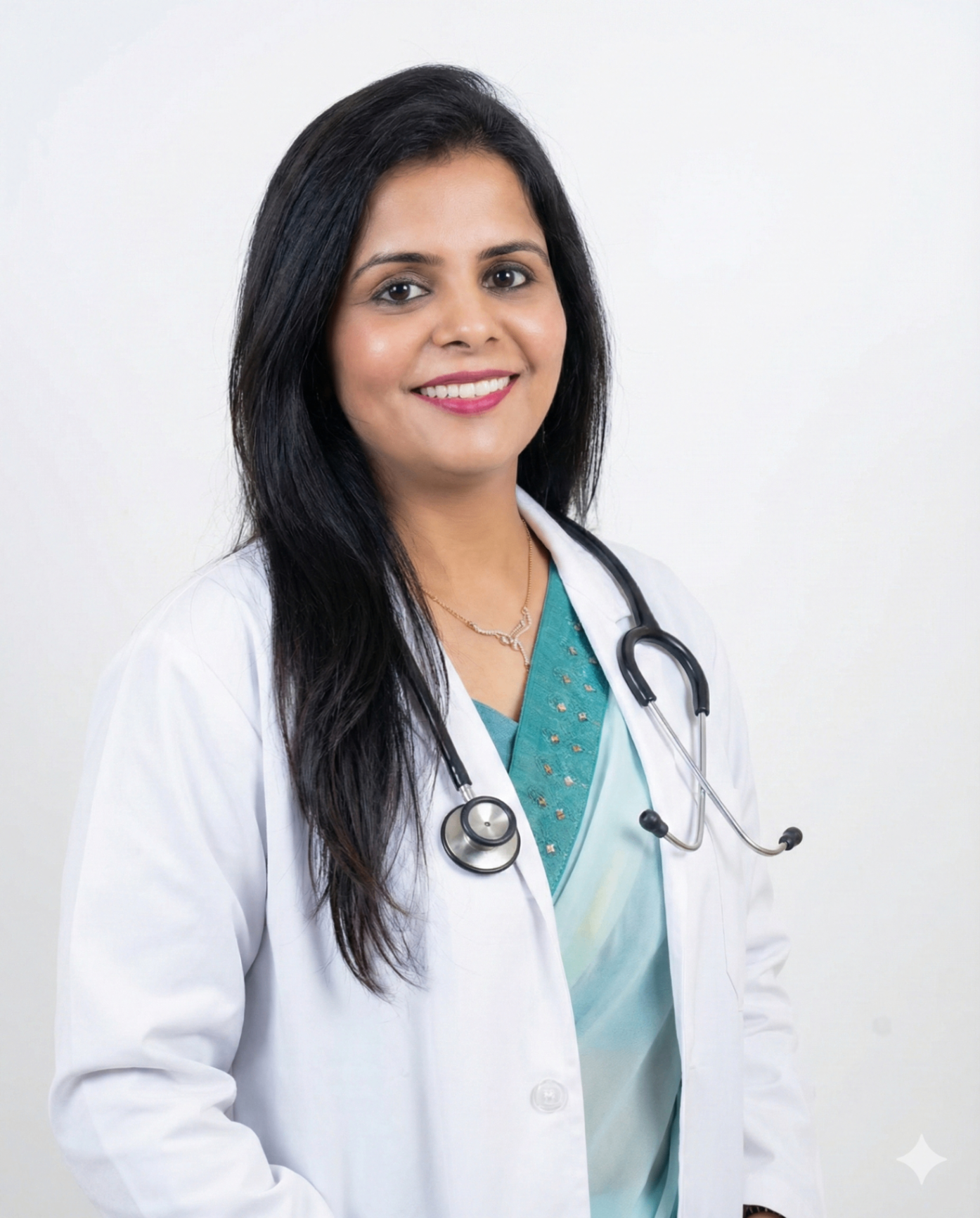
At SkinEdge Clinic in Patiala, Dr. Yuvika Mittal provides expert diagnosis and management of all rosacea subtypes. With over 15 years of dermatological experience, she distinguishes rosacea from look-alike conditions and creates personalised treatment plans that control symptoms, reduce flares, and improve skin appearance. Her approach combines prescription topical and oral medications, laser therapy for persistent redness and visible vessels, and comprehensive trigger management counselling.
Rosacea triggers in Patiala and Punjab are particularly relevant given the hot summers, spicy food culture, and exposure to extreme temperatures. Dr. Mittal helps patients identify their personal triggers and develop practical avoidance strategies while providing medical treatments that address the underlying inflammatory process and vascular changes.
Common Causes
Dysregulation of the innate immune system leading to excessive facial inflammation
Neurovascular dysfunction causing abnormal blood vessel dilation and persistent flushing
Demodex folliculorum mite overpopulation on facial skin triggering immune responses
Genetic predisposition with family history of rosacea or chronic facial flushing
Environmental triggers including sun exposure, extreme temperatures, and wind
Dietary triggers such as spicy foods, hot beverages, and alcohol consumption
Signs & Symptoms
Persistent central facial redness (erythema) on cheeks, nose, forehead, and chin
Frequent flushing or blushing episodes triggered by heat, food, or emotional stress
Visible small blood vessels (telangiectasia) on the nose and cheeks
Inflammatory papules and pustules resembling acne but without blackheads
Burning, stinging, or tight sensation on affected facial skin
Thickening of skin, particularly on the nose (rhinophyma) in advanced untreated cases
Available Treatments at SkinEdge
Topical Medications
Prescription creams and gels including metronidazole, azelaic acid, ivermectin, and brimonidine that reduce inflammation, control Demodex mites, and constrict dilated blood vessels for redness reduction.
Oral Medications
Low-dose doxycycline or isotretinoin for moderate to severe inflammatory rosacea. Sub-antimicrobial dose doxycycline provides anti-inflammatory benefits without contributing to antibiotic resistance.
Laser and Light Therapy
Vascular lasers and intense pulsed light (IPL) treatments that target and shrink visible blood vessels, reduce background redness, and improve overall facial skin tone. Highly effective for telangiectasia.
Gentle Medical Skincare Protocol
A carefully curated skincare regimen using rosacea-friendly, fragrance-free products that support the skin barrier, reduce sensitivity, and complement medical treatments without causing irritation.
Managing Rosacea
Identify and avoid personal triggers by maintaining a rosacea diary tracking flares and their potential causes
Use gentle, fragrance-free, rosacea-specific skincare products and avoid harsh exfoliants
Apply mineral-based, broad-spectrum sunscreen daily as sun exposure is the most common rosacea trigger
Minimise consumption of spicy foods, hot beverages, and alcohol that can trigger flushing episodes
Manage emotional stress and avoid extreme temperature changes that cause facial flushing
How is it Diagnosed?
Rosacea is diagnosed clinically at SkinEdge Clinic through careful examination of the facial skin. Dr. Yuvika Mittal assesses the pattern of redness, the presence of telangiectasia, inflammatory lesions, and associated symptoms. She differentiates rosacea from conditions that mimic it, including acne vulgaris, seborrheic dermatitis, lupus, and contact dermatitis. Dermoscopic examination may be used to evaluate vascular patterns. A detailed history of triggers, flushing episodes, and symptom progression helps classify the rosacea subtype (erythematotelangiectatic, papulopustular, phymatous, or ocular). No specific blood test diagnoses rosacea, but tests may be ordered to rule out other conditions.
Consult Dr. Yuvika MittalFrequently Asked Questions
Get Expert Help for Rosacea
Book a consultation with Dr. Yuvika Mittal for a personalized diagnosis and treatment plan.